
Beauty Without Boundaries
Words: Hollie Scorer
Inclusivity, it’s an ethos we’re seeing echoed throughout the fashion-sphere from catwalk to retail store. Equally, attitudes in the beauty industry are rapidly moving toward a non-binary approach, in light of this revolutionary cultural shift. The beauty industry once operated within the strictest gender divide. Marketing campaigns were implemented, taking a heavy focus on either products exclusively for males, or exclusively for females.

Discover more
Mintel’s latest beauty retailing report revealed that “Consumers are moving away from traditional gender stereotypes, in part driven by the increased visibility of gender diversity. As such, the traditional gender boundaries associated with fashion and beauty trends are becoming progressively blurred.”
What does this mean for the future of beauty? Well, Mintel recommends a more inclusive stance, beginning with company ethos through to products and marketing material. Prior to the explosion of the digital age, there was little to no beauty advice available to the male populous. Product ranges targeting a typical male audience were restricted to basic skincare and electric grooming devices. Interestingly, the Mintel report highlights an increasing demand for specialist beauty advice for male consumers, and not just in-store “With young men being the most likely to agree that they value the advice of beauty bloggers more than store staff (47% of male 16-24s), UK retailers could benefit from diversifying their brand collaborators to capitalise on the rising male beauty trend, the promotion of gender diversity and the influence of social media celebrities.”
The world of male beauty blogging is also growing exponentially, with the internet’s most viewed harnessing a significant of subscribers and beauty deals in the past year. Last October, 17-year-old makeup artist and YouTube star James Charles was announced as CoverGirl’s first male spokesperson in the States and in January, Maybelline also announced its first-ever male ambassador - Manny Gutierrez - to star in the brand’s Big Shot Mascara campaign in the US. With over 3.5 million Instagram followers and 2.8 million subscribers on YouTube, we can see the undeniable impact successful male figures have on the beauty community, and consumers demand for their advice.
What about inclusive brands?
Currently, we’re witnessing trailblazing companies such as NGS (Non Gender Specific) adopting the gender fluid ideology. Andrew Glass, the man behind Non Gender Specific (NGS), revealed his frustrations with the “segregated” beauty industry. NGS prides itself on being “the brand for all humans”, an inclusive celebration of all individuals: “Non Gender Specific is for all people and all gender identities, not a specific population. The beauty of NGS is that we promote individuality and believe in gender-equality for all identities, whether it's male, female or one of the other 71 known gender identities - what we don't believe in is the line that separates one gender from the other.”
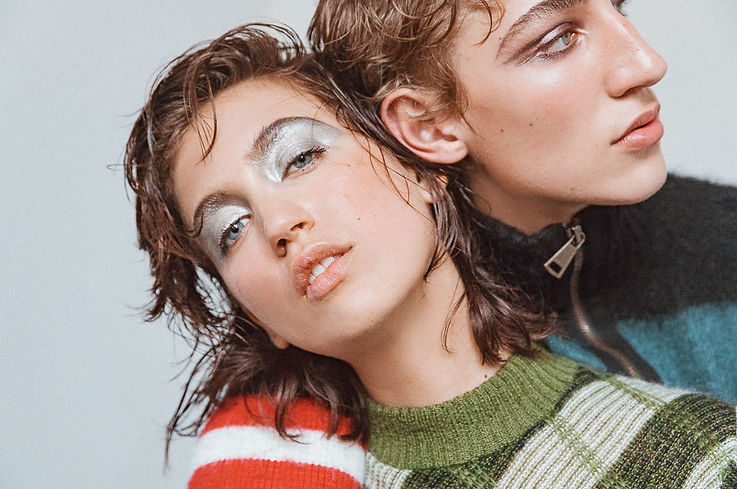
We’re aware of the possibility that every makeup and beauty product can be used by anyone regardless of their gender expression. However, in a world where transgender, non-binary, and gender non-conforming people can feel understandably uncomfortable going up to something as public as a department store counter for makeup advice, this new corner of the industry matters.

Supported by Loreal, JECCA cosmetics is another devoutly Unisex company founded by Jessica Blackler who envisioned “a safe space for the LGBTQ community, to explore and learn more about makeup”. Blackler started offering lessons to people who were transitioning in London, teaching them how to shape their face with makeup and cover beard stubble. After gaining 200 clients in just eight months, she opened her own makeup studio, which served as a haven for her clients.
The company embodies values of inclusivity and empowerment developing “thoughtful products that defy stigma and promote expression and uniqueness. The company has expertly developed a ‘correct and conceal palette’ and a ‘sculpt and soften palette’, available in a number of shades, designed for ease of use, to create beautiful skin looks.
It’s certainly encouraging to see the beauty world transcend into an all-accepting, gender-neutral entity as part of an empowering movement that we predict is here to stay. Gone are they days where gender dictated what type of look someone can create or what scents they’re drawn to. This has been more than evident in the unique branding of current beauty companies, and in the advocacy of male beauty influencers and the implementation of trans models as part of beauty marketing campaigns, and we couldn’t be more excited.
Share our blog


